32 Easy Tree Drawing Tutorials

Have you ever heard someone say, "You can't see the forest for the trees"? This saying describes someone who is so focused on details that they can't see the big picture... Read more

Have you ever heard someone say, "You can't see the forest for the trees"? This saying describes someone who is so focused on details that they can't see the big picture... Read more
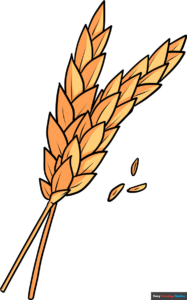
Wheat is a type of grass. For thousands of years, it has been cultivated by humans for its edible seed. You can learn how to draw wheat with the help of this simple, step-by-step plant drawing guide... Read more

Spring is in the air! Bring the outdoors in and brighten up your room when you learn how to draw a hydrangea flower. Hydrangea blooms are made up of many smaller, individual flowers. They grow in clusters on a shrub or bush. Did you know? Some hydrangeas change color based on the... Read more

"He/she loves me, he/she loves me not..." Have you ever said those words while plucking petals from a wildflower? Flowers are deeply ingrained in our world's diverse cultures, and rightly so... Read more

Want to give a bouquet of flowers to someone you love? You can learn how to draw Forget-Me-Not flowers so that you will never be forgotten!... Read more

A flower crown, chaplet, or wreath is a "circular garland, usually woven of flowers, leaves, and foliage, that traditionally indicates honour or celebration." Many children have made bracelets, necklaces, and crowns by tying the stems of small flowers together. These may be referred to as daisy chains. But the practice of making flower crowns has a long history... Read more
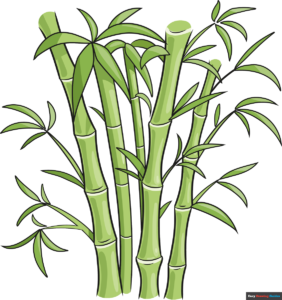
Bamboo is described as a 'tall, treelike grass." There are about 1,400 species of bamboo. This plant lives in tropical and subtropical regions around the world, especially in Asia... Read more

Do you ever feel bored? Are you looking for things to do when you're bored? Finding creative things to do is one of the best boredom-busters! Whether it's a rainy day, homework, a long airplane or car ride, or something else that's making you feel lethargic, these easy boredom drawing ideas will help you to beat the boredom!... Read more

Parks have been around for thousands of years. The first may have been in the realms of ancient Persian kings, "who dedicated many square miles to the sport of hunting."... Read more
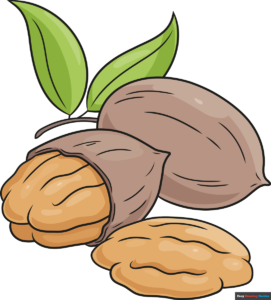
Pecan is both the name of a tree and the nut it produces. A member of the walnut and hickory family, the pecan is native to North America. Its name is derived from the word for nut in Algonquian, a Native American language... Read more
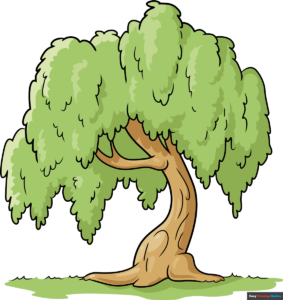
Willow trees and shrubs are native to the temperate regions of the Northern Hemisphere. They often grow near sources of water, and their roots can even... Read more

A family tree, also called a pedigree chart, is a visual representation of family relationships. These charts are often depicted in the shape of a literal tree. The oldest generations are located at the top. Branches come from both parents to connect to their children below them. The youngest generation, around which the chart is centered, can be located on the trunk... Read more

Flower motifs have been popular in artwork from time immemorial. We're drawn to flowers because of their bright colors, their delicate beauty, and their transience - they don't last. "Hippie" and "Boho" styles are especially known for their use of flowers... Read more

Pistachio nuts grow on the small pistachio tree. It is related to the cashew. It lives in dry, warm places and is thought to be native to Iran... Read more

The lavender plant is native to the Mediterranean region. Because of its pleasant scent, lavender has been used in soaps and perfumes since ancient times. In fact, its very name is derived from a word meaning "to wash." It is grown in gardens as an edible herb, a medicine, and for its scent... Read more

There are nearly 8,000 species of roses that grow around the world. From the wild varieties, edible and ornamental varieties have been cultivated. Roses are exchanged as gifts symbolizing love, friendship, apology, and sympathy... Read more

The chrysanthemum or mum is a popular garden flower. It is native to Europe and Asia. Its name is derived from the ancient Greek words for "golden flower." Chrysanthemums have many overlapping petals, similar in shape to the dandelion or carnation... Read more

Most of the time, bugs eat plants. But sometimes, the plants eat the bugs! One well-known variety of bug-eating plants is the Venus flytrap. This plant has a "mouth" at the end of its leaves. When small hairs called trichomes are touched by insects, the mouth snaps shut, trapping the insect... Read more

Houseplants or potted plants are more popular today than ever before. Caretakers of such foliage often call themselves "plant parents" and "crazy plant ladies." Millennials make up a large proportion of this group. They grow plants as a hobby, to beautify their homes, and to freshen the air... Read more

Beans are the seeds of plants in the legume family. Worldwide, many varieties of beans are cultivated for food. They are rich in protein, vitamins, and minerals. Often, the seeds are dried for later cooking; sometimes the entire seedpod is eaten, as in the case of green beans... Read more